Global News

Week 22 – Weekly market intelligence report

Categoria: Blog
Executive Summary

The past week was marked by a strong acceleration in international logistics activity driven by the continued tariff truce between the United States and China. Significant increases in transpacific spot rates, record cargo volumes at West Coast ports, and sustained growth in trucking demand indicate a tightening capacity environment across the global supply chain.

At the same time, rail congestion, port bottlenecks, and the persistent driver shortage continue to pressure operational costs throughout the United States. The FTL and LTL freight markets maintained upward momentum across all trailer categories, particularly flatbed and reefer, fueled by Memorial Day seasonal demand and rising import activity.


1. U.S. National Weather Forecast (May 27–29)
May 27 (Wednesday)
Southeast / Carolinas / Gulf Coast
  • A strong high-pressure system maintains stable and warm weather.
  • Temperatures ranging from 80°F to 88°F from Houston to Jacksonville.
  • No significant operational disruptions expected across the Gulf Coast freight corridor.
Northeast / New England / East Coast
  • A departing frontal system produces light morning showers.
  • Minor delays may occur at port gate operations during early shifts.
  • Conditions improve rapidly throughout the day.
Upper Midwest / Great Lakes
  • Scattered showers and isolated thunderstorms expected.
  • Wind gusts up to 35 mph.
  • Flatbed operators along I-90 and I-94 should reinforce cargo securement procedures.
Central Plains / Ohio Valley
  • Extremely favorable weather conditions for trucking operations.
  • Clear skies and mild temperatures.
  • No significant risks for long-haul freight operations.
Texas and Southern Plains
  • Intense heat continues across the region.
  • Temperatures between 90°F and 97°F in Dallas, Houston, and San Antonio.
  • Preventive inspections for reefer equipment are strongly recommended.

May 28 (Thursday)
Northeast
  • Stable weather returns across the entire I-95 corridor.
  • Ideal conditions for time-sensitive and reefer freight operations.
Great Lakes
  • Gradual improvement in weather conditions.
  • Operations normalize by late afternoon.
Southeast
  • Normal operations at the ports of:
    • Savannah
    • Charleston
    • Port Everglades
Northern Plains
  • Excellent visibility and minimal driver fatigue risk.
  • Near-perfect conditions for long-haul trucking.
Rocky Mountains / Intermountain West
  • Mostly stable weather conditions prevail.
  • Isolated showers possible over elevated terrain in Colorado and Utah.
  • The I-70 corridor remains fully operational.

May 29 (Friday)
East Coast / Mid-Atlantic
  • Excellent pre-Memorial Day operating environment.
  • Heavier traffic expected along I-95 due to increased personal travel.
Pacific Northwest
  • Moderate to heavy rain expected around Seattle and Portland.
  • Reduced visibility along I-5 and US-101.
  • Possible chain controls in mountain pass areas.
Desert Southwest / Southern California
  • Extreme heat conditions:
    • Phoenix: 107°F
    • Palm Springs: 110°F
  • Elevated operational risks for drivers and reefer equipment along I-10 and I-8.
Mountain West / Great Basin
  • Warm and dry conditions persist.
  • Elevated freight demand ahead of the holiday tightens available capacity.

2. On-Highway Diesel Fuel Prices
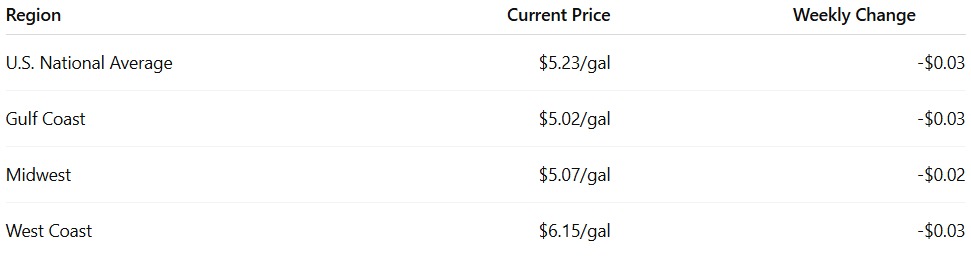
Key Highlights
  • Diesel prices declined across nearly all regions.
  • California continues to experience the highest operating fuel costs nationwide.
  • Lower diesel prices provide partial relief from trucking inflationary pressure.

3. Container Volume & Dwell Times
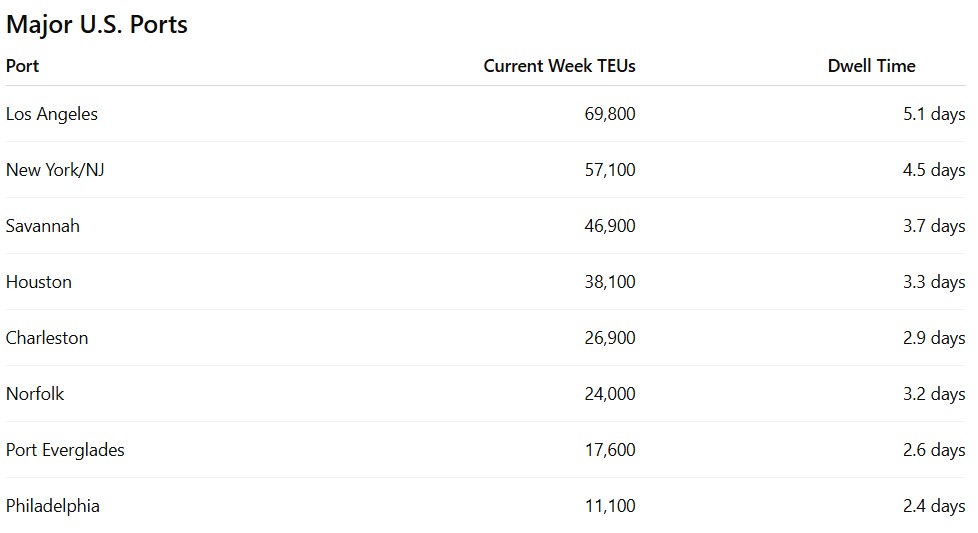
Key Highlights
  • Los Angeles remains the leading U.S. gateway for containerized imports.
  • Chicago is experiencing the highest inland congestion levels since 2021.
  • The chart on page 5 indicates continued volume growth across nearly all major gateways.

4. FTL & LTL Freight Market

Market Highlights
Dry Van
  • Weekly increase of:
    • +3¢/mile
  • Demand remains elevated ahead of Memorial Day.
  • Strong pressure in port-adjacent freight markets.
Flatbed
  • 21st consecutive weekly increase.
  • Year-over-year growth:
    • +37%
  • Construction and steel demand continue driving momentum.
Reefer
  • Fourth consecutive weekly gain.
  • Produce season continues boosting reefer demand.
  • Rates may surpass:
    • $3.30/mile
      by early June.
LTL Market
  • Capacity discipline remains strong.
  • Hazardous and oversized freight continues commanding:
    • 15%–25% premiums.
Overall Market Movement

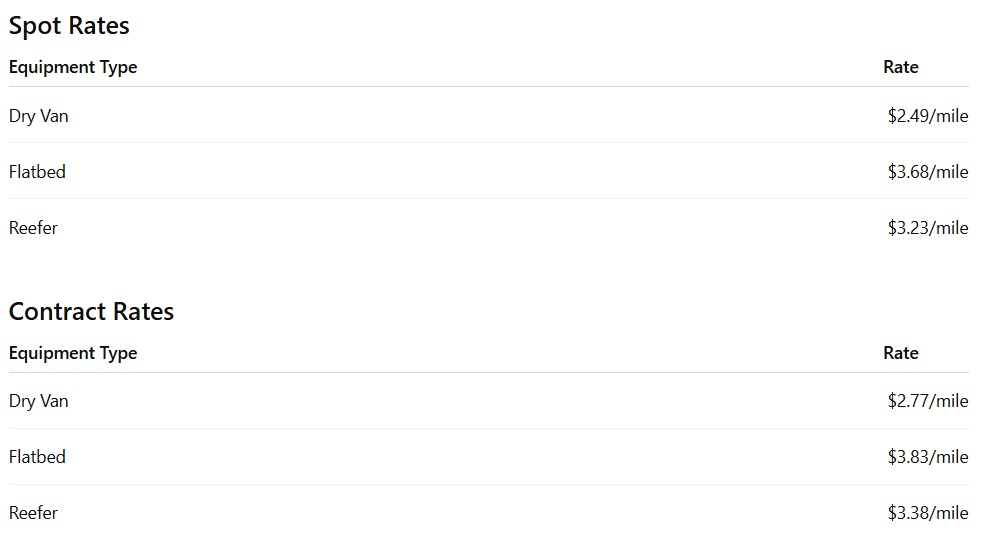
All major freight categories posted additional gains:

  • Flatbed: +5¢/mile
  • Reefer: +6¢/mile
  • Dry Van: +3¢/mile

The blended freight index advanced:

  • +4.7¢/mile
    representing the strongest consecutive weekly growth since Q4 2024.

General Conclusion

The U.S. logistics market continues operating under intense demand pressure, largely driven by accelerated imports associated with the ongoing U.S.–China tariff truce. Rising port volumes, climbing ocean freight rates, and sustained trucking rate increases confirm a tightening capacity environment across the supply chain.

Meanwhile, rail congestion, port bottlenecks, and the persistent truck driver shortage remain critical operational risks heading into Q2 2026. Market conditions are expected to remain tight over the coming weeks, particularly across the intermodal, flatbed, and reefer segments.

Últimas do blog

Week 10– General Logistics & Port Status UpdateBlogadd

Week 9 – General Logistics & Port Status UpdateBlogadd

Week 8 – General Logistics & Port Status UpdateBlogadd
[/vc_column_text][/vc_column][/vc_row]

Global News

Week 22 – Weekly market intelligence report

Categoria: Blog
Executive Summary

The past week was marked by a strong acceleration in international logistics activity driven by the continued tariff truce between the United States and China. Significant increases in transpacific spot rates, record cargo volumes at West Coast ports, and sustained growth in trucking demand indicate a tightening capacity environment across the global supply chain.

At the same time, rail congestion, port bottlenecks, and the persistent driver shortage continue to pressure operational costs throughout the United States. The FTL and LTL freight markets maintained upward momentum across all trailer categories, particularly flatbed and reefer, fueled by Memorial Day seasonal demand and rising import activity.


1. U.S. National Weather Forecast (May 27–29)
May 27 (Wednesday)
Southeast / Carolinas / Gulf Coast
  • A strong high-pressure system maintains stable and warm weather.
  • Temperatures ranging from 80°F to 88°F from Houston to Jacksonville.
  • No significant operational disruptions expected across the Gulf Coast freight corridor.
Northeast / New England / East Coast
  • A departing frontal system produces light morning showers.
  • Minor delays may occur at port gate operations during early shifts.
  • Conditions improve rapidly throughout the day.
Upper Midwest / Great Lakes
  • Scattered showers and isolated thunderstorms expected.
  • Wind gusts up to 35 mph.
  • Flatbed operators along I-90 and I-94 should reinforce cargo securement procedures.
Central Plains / Ohio Valley
  • Extremely favorable weather conditions for trucking operations.
  • Clear skies and mild temperatures.
  • No significant risks for long-haul freight operations.
Texas and Southern Plains
  • Intense heat continues across the region.
  • Temperatures between 90°F and 97°F in Dallas, Houston, and San Antonio.
  • Preventive inspections for reefer equipment are strongly recommended.

May 28 (Thursday)
Northeast
  • Stable weather returns across the entire I-95 corridor.
  • Ideal conditions for time-sensitive and reefer freight operations.
Great Lakes
  • Gradual improvement in weather conditions.
  • Operations normalize by late afternoon.
Southeast
  • Normal operations at the ports of:
    • Savannah
    • Charleston
    • Port Everglades
Northern Plains
  • Excellent visibility and minimal driver fatigue risk.
  • Near-perfect conditions for long-haul trucking.
Rocky Mountains / Intermountain West
  • Mostly stable weather conditions prevail.
  • Isolated showers possible over elevated terrain in Colorado and Utah.
  • The I-70 corridor remains fully operational.

May 29 (Friday)
East Coast / Mid-Atlantic
  • Excellent pre-Memorial Day operating environment.
  • Heavier traffic expected along I-95 due to increased personal travel.
Pacific Northwest
  • Moderate to heavy rain expected around Seattle and Portland.
  • Reduced visibility along I-5 and US-101.
  • Possible chain controls in mountain pass areas.
Desert Southwest / Southern California
  • Extreme heat conditions:
    • Phoenix: 107°F
    • Palm Springs: 110°F
  • Elevated operational risks for drivers and reefer equipment along I-10 and I-8.
Mountain West / Great Basin
  • Warm and dry conditions persist.
  • Elevated freight demand ahead of the holiday tightens available capacity.

2. On-Highway Diesel Fuel Prices

Key Highlights
  • Diesel prices declined across nearly all regions.
  • California continues to experience the highest operating fuel costs nationwide.
  • Lower diesel prices provide partial relief from trucking inflationary pressure.

3. Container Volume & Dwell Times
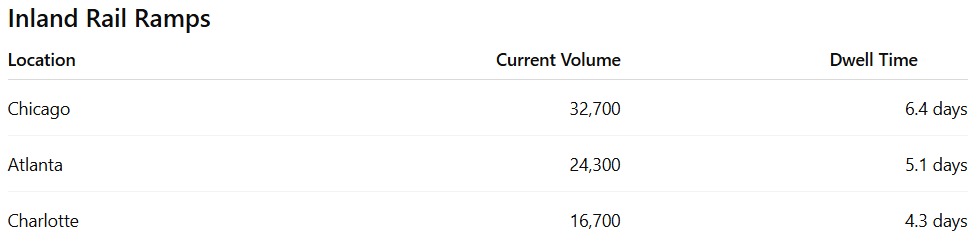
Key Highlights
  • Los Angeles remains the leading U.S. gateway for containerized imports.
  • Chicago is experiencing the highest inland congestion levels since 2021.
  • The chart on page 5 indicates continued volume growth across nearly all major gateways.

4. FTL & LTL Freight Market
Market Highlights
Dry Van
  • Weekly increase of:
    • +3¢/mile
  • Demand remains elevated ahead of Memorial Day.
  • Strong pressure in port-adjacent freight markets.
Flatbed
  • 21st consecutive weekly increase.
  • Year-over-year growth:
    • +37%
  • Construction and steel demand continue driving momentum.
Reefer
  • Fourth consecutive weekly gain.
  • Produce season continues boosting reefer demand.
  • Rates may surpass:
    • $3.30/mile
      by early June.
LTL Market
  • Capacity discipline remains strong.
  • Hazardous and oversized freight continues commanding:
    • 15%–25% premiums.
Overall Market Movement

All major freight categories posted additional gains:

  • Flatbed: +5¢/mile
  • Reefer: +6¢/mile
  • Dry Van: +3¢/mile

The blended freight index advanced:

  • +4.7¢/mile
    representing the strongest consecutive weekly growth since Q4 2024.

General Conclusion

The U.S. logistics market continues operating under intense demand pressure, largely driven by accelerated imports associated with the ongoing U.S.–China tariff truce. Rising port volumes, climbing ocean freight rates, and sustained trucking rate increases confirm a tightening capacity environment across the supply chain.

Meanwhile, rail congestion, port bottlenecks, and the persistent truck driver shortage remain critical operational risks heading into Q2 2026. Market conditions are expected to remain tight over the coming weeks, particularly across the intermodal, flatbed, and reefer segments.


Últimas do blog

Week 53 – General Logistics & Port Status UpdateBlogadd

Holiday Season Logistics ReportBlogadd

Week 51 – General Logistics & Port Status UpdateBlogadd

Global News

Week 22 – Weekly market intelligence report

Categoria: Blog
Executive Summary

The past week was marked by a strong acceleration in international logistics activity driven by the continued tariff truce between the United States and China. Significant increases in transpacific spot rates, record cargo volumes at West Coast ports, and sustained growth in trucking demand indicate a tightening capacity environment across the global supply chain.

At the same time, rail congestion, port bottlenecks, and the persistent driver shortage continue to pressure operational costs throughout the United States. The FTL and LTL freight markets maintained upward momentum across all trailer categories, particularly flatbed and reefer, fueled by Memorial Day seasonal demand and rising import activity.


1. U.S. National Weather Forecast (May 27–29)
May 27 (Wednesday)
Southeast / Carolinas / Gulf Coast
  • A strong high-pressure system maintains stable and warm weather.
  • Temperatures ranging from 80°F to 88°F from Houston to Jacksonville.
  • No significant operational disruptions expected across the Gulf Coast freight corridor.
Northeast / New England / East Coast
  • A departing frontal system produces light morning showers.
  • Minor delays may occur at port gate operations during early shifts.
  • Conditions improve rapidly throughout the day.
Upper Midwest / Great Lakes
  • Scattered showers and isolated thunderstorms expected.
  • Wind gusts up to 35 mph.
  • Flatbed operators along I-90 and I-94 should reinforce cargo securement procedures.
Central Plains / Ohio Valley
  • Extremely favorable weather conditions for trucking operations.
  • Clear skies and mild temperatures.
  • No significant risks for long-haul freight operations.
Texas and Southern Plains
  • Intense heat continues across the region.
  • Temperatures between 90°F and 97°F in Dallas, Houston, and San Antonio.
  • Preventive inspections for reefer equipment are strongly recommended.

May 28 (Thursday)
Northeast
  • Stable weather returns across the entire I-95 corridor.
  • Ideal conditions for time-sensitive and reefer freight operations.
Great Lakes
  • Gradual improvement in weather conditions.
  • Operations normalize by late afternoon.
Southeast
  • Normal operations at the ports of:
    • Savannah
    • Charleston
    • Port Everglades
Northern Plains
  • Excellent visibility and minimal driver fatigue risk.
  • Near-perfect conditions for long-haul trucking.
Rocky Mountains / Intermountain West
  • Mostly stable weather conditions prevail.
  • Isolated showers possible over elevated terrain in Colorado and Utah.
  • The I-70 corridor remains fully operational.

May 29 (Friday)
East Coast / Mid-Atlantic
  • Excellent pre-Memorial Day operating environment.
  • Heavier traffic expected along I-95 due to increased personal travel.
Pacific Northwest
  • Moderate to heavy rain expected around Seattle and Portland.
  • Reduced visibility along I-5 and US-101.
  • Possible chain controls in mountain pass areas.
Desert Southwest / Southern California
  • Extreme heat conditions:
    • Phoenix: 107°F
    • Palm Springs: 110°F
  • Elevated operational risks for drivers and reefer equipment along I-10 and I-8.
Mountain West / Great Basin
  • Warm and dry conditions persist.
  • Elevated freight demand ahead of the holiday tightens available capacity.

2. On-Highway Diesel Fuel Prices

Key Highlights
  • Diesel prices declined across nearly all regions.
  • California continues to experience the highest operating fuel costs nationwide.
  • Lower diesel prices provide partial relief from trucking inflationary pressure.

3. Container Volume & Dwell Times

Key Highlights
  • Los Angeles remains the leading U.S. gateway for containerized imports.
  • Chicago is experiencing the highest inland congestion levels since 2021.
  • The chart on page 5 indicates continued volume growth across nearly all major gateways.

4. FTL & LTL Freight Market

Market Highlights
Dry Van
  • Weekly increase of:
    • +3¢/mile
  • Demand remains elevated ahead of Memorial Day.
  • Strong pressure in port-adjacent freight markets.
Flatbed
  • 21st consecutive weekly increase.
  • Year-over-year growth:
    • +37%
  • Construction and steel demand continue driving momentum.
Reefer
  • Fourth consecutive weekly gain.
  • Produce season continues boosting reefer demand.
  • Rates may surpass:
    • $3.30/mile
      by early June.
LTL Market
  • Capacity discipline remains strong.
  • Hazardous and oversized freight continues commanding:
    • 15%–25% premiums.
Overall Market Movement

All major freight categories posted additional gains:

  • Flatbed: +5¢/mile
  • Reefer: +6¢/mile
  • Dry Van: +3¢/mile

The blended freight index advanced:

  • +4.7¢/mile
    representing the strongest consecutive weekly growth since Q4 2024.

General Conclusion

The U.S. logistics market continues operating under intense demand pressure, largely driven by accelerated imports associated with the ongoing U.S.–China tariff truce. Rising port volumes, climbing ocean freight rates, and sustained trucking rate increases confirm a tightening capacity environment across the supply chain.

Meanwhile, rail congestion, port bottlenecks, and the persistent truck driver shortage remain critical operational risks heading into Q2 2026. Market conditions are expected to remain tight over the coming weeks, particularly across the intermodal, flatbed, and reefer segments.

Últimas do blog

Week 41 – General Logistics & Port Status UpdateBlogadd

Week 37 – General Logistics & Port Status UpdateBlogadd

Week 36 – General Logistics & Port Status UpdateBlogadd

Global News

Week 22 – Weekly market intelligence report

Categoria: Blog
Executive Summary

The past week was marked by a strong acceleration in international logistics activity driven by the continued tariff truce between the United States and China. Significant increases in transpacific spot rates, record cargo volumes at West Coast ports, and sustained growth in trucking demand indicate a tightening capacity environment across the global supply chain.

At the same time, rail congestion, port bottlenecks, and the persistent driver shortage continue to pressure operational costs throughout the United States. The FTL and LTL freight markets maintained upward momentum across all trailer categories, particularly flatbed and reefer, fueled by Memorial Day seasonal demand and rising import activity.


1. U.S. National Weather Forecast (May 27–29)
May 27 (Wednesday)
Southeast / Carolinas / Gulf Coast
  • A strong high-pressure system maintains stable and warm weather.
  • Temperatures ranging from 80°F to 88°F from Houston to Jacksonville.
  • No significant operational disruptions expected across the Gulf Coast freight corridor.
Northeast / New England / East Coast
  • A departing frontal system produces light morning showers.
  • Minor delays may occur at port gate operations during early shifts.
  • Conditions improve rapidly throughout the day.
Upper Midwest / Great Lakes
  • Scattered showers and isolated thunderstorms expected.
  • Wind gusts up to 35 mph.
  • Flatbed operators along I-90 and I-94 should reinforce cargo securement procedures.
Central Plains / Ohio Valley
  • Extremely favorable weather conditions for trucking operations.
  • Clear skies and mild temperatures.
  • No significant risks for long-haul freight operations.
Texas and Southern Plains
  • Intense heat continues across the region.
  • Temperatures between 90°F and 97°F in Dallas, Houston, and San Antonio.
  • Preventive inspections for reefer equipment are strongly recommended.

May 28 (Thursday)
Northeast
  • Stable weather returns across the entire I-95 corridor.
  • Ideal conditions for time-sensitive and reefer freight operations.
Great Lakes
  • Gradual improvement in weather conditions.
  • Operations normalize by late afternoon.
Southeast
  • Normal operations at the ports of:
    • Savannah
    • Charleston
    • Port Everglades
Northern Plains
  • Excellent visibility and minimal driver fatigue risk.
  • Near-perfect conditions for long-haul trucking.
Rocky Mountains / Intermountain West
  • Mostly stable weather conditions prevail.
  • Isolated showers possible over elevated terrain in Colorado and Utah.
  • The I-70 corridor remains fully operational.

May 29 (Friday)
East Coast / Mid-Atlantic
  • Excellent pre-Memorial Day operating environment.
  • Heavier traffic expected along I-95 due to increased personal travel.
Pacific Northwest
  • Moderate to heavy rain expected around Seattle and Portland.
  • Reduced visibility along I-5 and US-101.
  • Possible chain controls in mountain pass areas.
Desert Southwest / Southern California
  • Extreme heat conditions:
    • Phoenix: 107°F
    • Palm Springs: 110°F
  • Elevated operational risks for drivers and reefer equipment along I-10 and I-8.
Mountain West / Great Basin
  • Warm and dry conditions persist.
  • Elevated freight demand ahead of the holiday tightens available capacity.

2. On-Highway Diesel Fuel Prices

Key Highlights
  • Diesel prices declined across nearly all regions.
  • California continues to experience the highest operating fuel costs nationwide.
  • Lower diesel prices provide partial relief from trucking inflationary pressure.

3. Container Volume & Dwell Times

Key Highlights
  • Los Angeles remains the leading U.S. gateway for containerized imports.
  • Chicago is experiencing the highest inland congestion levels since 2021.
  • The chart on page 5 indicates continued volume growth across nearly all major gateways.

4. FTL & LTL Freight Market

Market Highlights
Dry Van
  • Weekly increase of:
    • +3¢/mile
  • Demand remains elevated ahead of Memorial Day.
  • Strong pressure in port-adjacent freight markets.
Flatbed
  • 21st consecutive weekly increase.
  • Year-over-year growth:
    • +37%
  • Construction and steel demand continue driving momentum.
Reefer
  • Fourth consecutive weekly gain.
  • Produce season continues boosting reefer demand.
  • Rates may surpass:
    • $3.30/mile
      by early June.
LTL Market
  • Capacity discipline remains strong.
  • Hazardous and oversized freight continues commanding:
    • 15%–25% premiums.
Overall Market Movement

All major freight categories posted additional gains:

  • Flatbed: +5¢/mile
  • Reefer: +6¢/mile
  • Dry Van: +3¢/mile

The blended freight index advanced:

  • +4.7¢/mile
    representing the strongest consecutive weekly growth since Q4 2024.

General Conclusion

The U.S. logistics market continues operating under intense demand pressure, largely driven by accelerated imports associated with the ongoing U.S.–China tariff truce. Rising port volumes, climbing ocean freight rates, and sustained trucking rate increases confirm a tightening capacity environment across the supply chain.

Meanwhile, rail congestion, port bottlenecks, and the persistent truck driver shortage remain critical operational risks heading into Q2 2026. Market conditions are expected to remain tight over the coming weeks, particularly across the intermodal, flatbed, and reefer segments.

Últimas do blog

Week 35 – General Logistics & Port Status UpdateBlogadd

Week 34 – General Logistics & Port Status UpdateBlogadd

Week 33 – General Logistics & Port Status UpdateBlogadd